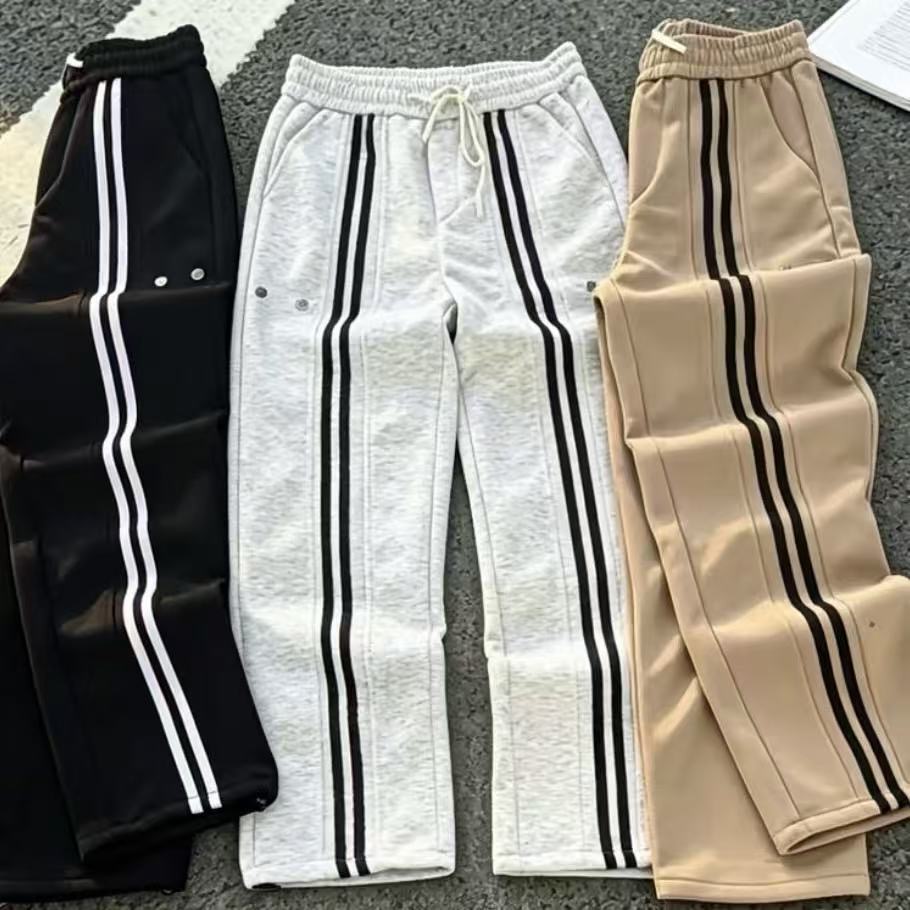
A sweatpants waist figure is useful only when the measurement method is clear. Specify whether you want a garment laid-flat width or a circumference, where the tape sits, the waistband state and the reporting units. Then ask the supplier to use that method for the quoted version and sample chart. Tianhong Pants lists women’s knit sweatpants as a product category, making it an appropriate enquiry starting point. The category photograph alone does not define the waistband dimensions or how they should be measured.
Separate garment width from wearer measurements
First identify what the number represents. A flat garment width, a garment circumference and a recommended wearer waist range are different kinds of information. Request them in separate fields if you need more than one. Do not convert a supplier’s unnamed waist figure into customer size guidance. Ask whether it comes from a finished garment, a pattern or another reference. The answer should apply to the exact style being offered, because another sweatpants version may use a different waistband construction or measurement chart.
State the units beside every requested value. If your buying team works in centimetres and your retail team uses inches, keep one clearly identified master chart and record how any displayed conversion is handled. A UK or US label name does not resolve the underlying measurement method, nor does an EU-facing assortment automatically share one chart. Send the requested diagram and units to the supplier rather than relying on regional size names. This keeps the quotation discussion focused on a defined garment reference.
Describe the waistband state and tape position
A useful measurement sketch shows the waistband position, the two endpoints and how the garment is arranged. If you request a relaxed measurement, explain how the garment should lie without deliberate pulling and ask the supplier to confirm its method. If your brief also requires a measurement under tension, define a repeatable procedure with the supplier before comparing results. Avoid the vague phrase fully stretched as a substitute for a method. A tension-related number without defined conditions cannot by itself establish a reliable fit range or performance claim.
Ask how closures or adjustment details should be positioned for measurement where applicable to the proposed version. For example, a drawcord visible in a reference photograph raises a question about how it is set during measurement; it does not prove the construction of every offered style. Keep those instructions attached to the diagram. If the waistband shape makes your proposed method unclear, ask the supplier to annotate a sample photograph. Resolving the method before collecting numbers is more useful than comparing several figures that describe different garment states.
A waist-measurement request table
Measurement field | Buyer definition | Supplier confirmation needed
Style reference | Exact requested trouser version | Which garment the chart describes
Measurement type | Flat width or circumference | Meaning of each reported waist figure
Tape position | Annotated endpoints and line | Same position used on the sample
Garment state | Relaxed or separately defined tension method | Conditions used for each value
Units and rounding | Master units and display rule | Units beside every reported figure
Variation record | Requested tolerance field by size | Proposed tolerance and sample results
Use the table alongside the size chart, not as a replacement for it. Each size needs its own clearly named row, and any requested tolerance should be discussed rather than invented by the buyer or inferred from the website. Ask the supplier to distinguish the target value from the measured sample result. A chart entry that changes after sampling should carry a revision reference. That lets your team see whether the product changed, the measuring method changed or a transcription error was corrected.
Make the sample comparison repeatable
When a sample arrives, identify its version and size before measuring it. Use the agreed diagram, state and units, and record any departure from the method. If your result differs from the supplier’s, exchange annotated photographs and ask each team to explain its measurement setup. Start by resolving the method rather than immediately treating the difference as a production defect. Do not assume repeated stretching, washing or other handling has a known effect; any conditioning or testing relevant to the purchase should be agreed separately.
Once the method is settled, include its reference with the purchase specification and any repeat-order request. Keep the waist fields distinct from hip, rise, inseam and other measurements that may also matter to your assortment. Request current style details, material information, pricing, quantities and timing directly from the supplier. The official category image is a visual reference for the enquiry, but it does not establish stock, exact composition, stretch capability or a universal fit promise. Your final retail wording should reflect the verified information for the selected version.
FAQ
Is a laid-flat waist width the same as circumference?
They are different reported measurements. Ask the supplier to name which one it provides and to define the measuring line. Do not relabel or convert an ambiguous figure without confirming what was measured and whether the proposed interpretation fits the garment construction.
Does an elastic-looking waistband prove a fit range?
No. A photograph can show a gathered appearance but cannot establish a measured range, force condition or suitability for a wearer. Request the exact version’s chart and any relevant supporting information before preparing size guidance or making performance statements.
Should the buyer specify a maximum stretched waist?
Only request a tension-state measurement with an agreed method that makes the result interpretable. Avoid an undefined maximum figure. Discuss the purpose of the measurement and ask the supplier what procedure and evidence it can provide for the offered version.
What belongs in the first sweatpants enquiry?
Send the category or style reference, your measurement diagram, required size range, master units and estimated quantities. Ask for a version-specific chart, a sample proposal and confirmation of open fields. Keep unverified construction details and commercial terms as questions for the supplier.
Product reference and enquiries
Product category reference: https://tianhongpants.com/products/?product_filter=%e9%92%88%e7%bb%87%e5%a5%b3%e5%a3%ab%e8%bf%90%e5%8a%a8%e8%a3%a4
Catalogue source: https://tianhongpants.com/products/
Contact Tianhong Pants: https://tianhongpants.com/contact/
More buyer articles: https://tianhongpants.com/blog/